Too much information is no information.
Homer keeps a constant eye on your brand and alerts you before you miss an opportunity or a small issue becomes a costly mistake.
Always on
Anomaly
Checkout down 12%
Opportunity
$1,500–$3,600/mo
Anomaly
CPC up 38% this week
Wasted Spend
$600–$1,200/mo
Opportunity
2× ROAS, 4% of spend
Wasted Spend
$400–$900/mo
Wasted Spend
$700–$1,500/mo
Opportunity
$1,800/mo win-back
With so many analytics platforms, ad networks, multi-touch attribution techniques, social media accounts, messaging apps, and conference call scheduling conflicts, how can anyone keep track of it all?
You're bound to be leaving money on the table in the form of costly mistakes or missed revenue opportunities.
-
Shopify Mon 9:12 AM
Meta Ads, Google Analytics, and Shopify are all reporting slightly different conversion rates. Who is right?
-
SEMrush Mon 3:40 PM
There's a great keyword opportunity you're missing, you just need to write a new blog post.
-
Meta Ads Tue 11:05 AM
A Meta ads tag was down for two weeks while campaigns kept spending.
-
Google Tue 4:22 PM
There's been a big keyword opportunity right under your nose that one new blog post could win.
-
GA4 Wed 8:58 AM
Meta Ads, Google Analytics and Shopify all disagree about your conversion rate. So what's the right number?
-
Google Chrome Wed 1:31 PM
Your team spends way too much time jumping from tab to tab to get data, when they could be using that energy on finding creative solutions.
-
ChatGPT Thu 10:17 AM
a new competitor went viral and started being mentioned first in AI conversations
-
Search Console Thu 5:46 PM
Your sitemap stopped indexing in google
-
Slack Fri 12:09 PM
Your team member said they had been implementing ad optimizations, but turns out they had not been doing their job for a month.
What if you knew something was broken before it cost you?
Homer keeps an eye on everything that affects your marketing campaigns and how your brand is performing.
The landscape is constantly changing, but Homer is always on. 24/7.
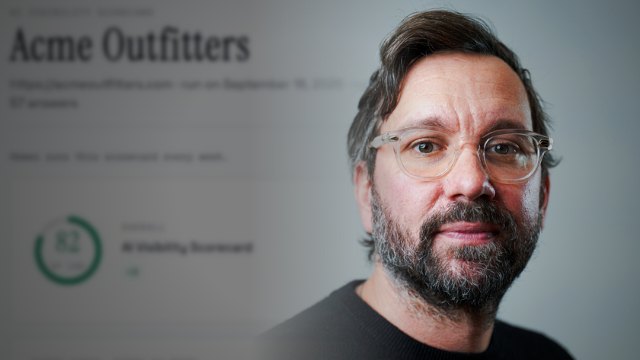
- Case study: How an outdoor brand caught a broken Meta pixel before it wasted $18,000→
- Case study: How a skincare brand doubled organic traffic with one blog post→
- Case study: How an agency cut its morning reporting from two hours to ten minutes→
- Benchmark: How far Meta, GA4 and Shopify disagree on conversion rates→
- Benchmark: How often brands are named first in AI answers→
Why we built this
Let me tell you a story about two rock-and-rollers that met at a startup in Brooklyn. It was the Web 2.0 era.
They were born at the right time to grow up playing Duck Hunt on the NES. They pirated Pavement and Elliot Smith songs on their high school's T1 line. They built Myspace pages. They came of age during the aftermath of 9/11 in New York City. They still remember where they were when Steve Jobs dropped the iPhone.
Then, a couple months before the 2008 financial crisis hit, they decided to hang their shingle. So, they started a marketing agency in a Greenpoint, Brooklyn apartment. On Mondays, they'd walk to a deli on Manhattan Ave and buy some bread and a pound of Boar's Head. By Friday, the turkey would be stretching thin.
As the economy recovered, their client list started to grow. Another founder joined and added rocket fuel. It grew into two thriving agencies that have worked with some of the biggest brands in the world.
But another wave hit — this one named ChatGPT.
Enter Homer
Homer is their (our) response to yet another sea change in technology. It's the type of platform we knew we'd need in an AI-first world. So we got to work building the tools we needed to do better work for our clients.
With Homer on your team, you'll always know what's happening in your business before anything becomes a problem. Let's head into the future together.


Lee McAlilly
Co-founder
You're leaving money on the table
Find out how to start moving the needle today.